
5 Things Playlist Curators Don’t Want You To Know
With countless playlists popping up every day, it’s getting harder for artists to know which ones are actually worth their time. As both an artist and playlist curator, I’ve seen firsthand how much confusion and frustration there is around playlisting. Here are five things most playlist curators won’t tell you, but every artist should know.
Lots of followers ≠ lots of streams
I’ll never forget the first time someone added my song to a Spotify playlist with 50,000 followers, or the stinging disappointment when I found out it resulted in a total of five streams. It felt like getting rickrolled, and I quickly realized plenty of playlist curators resort to buying bots or using follower gates to artificially inflate their numbers.
To save yourself the time and headache, I recommend perusing the artists on the playlist to see if it shows up in their ‘Discovered on’ section. You can also tell if a playlist has consistent listener activity by checking its follower growth chart on websites like Artist.tools.
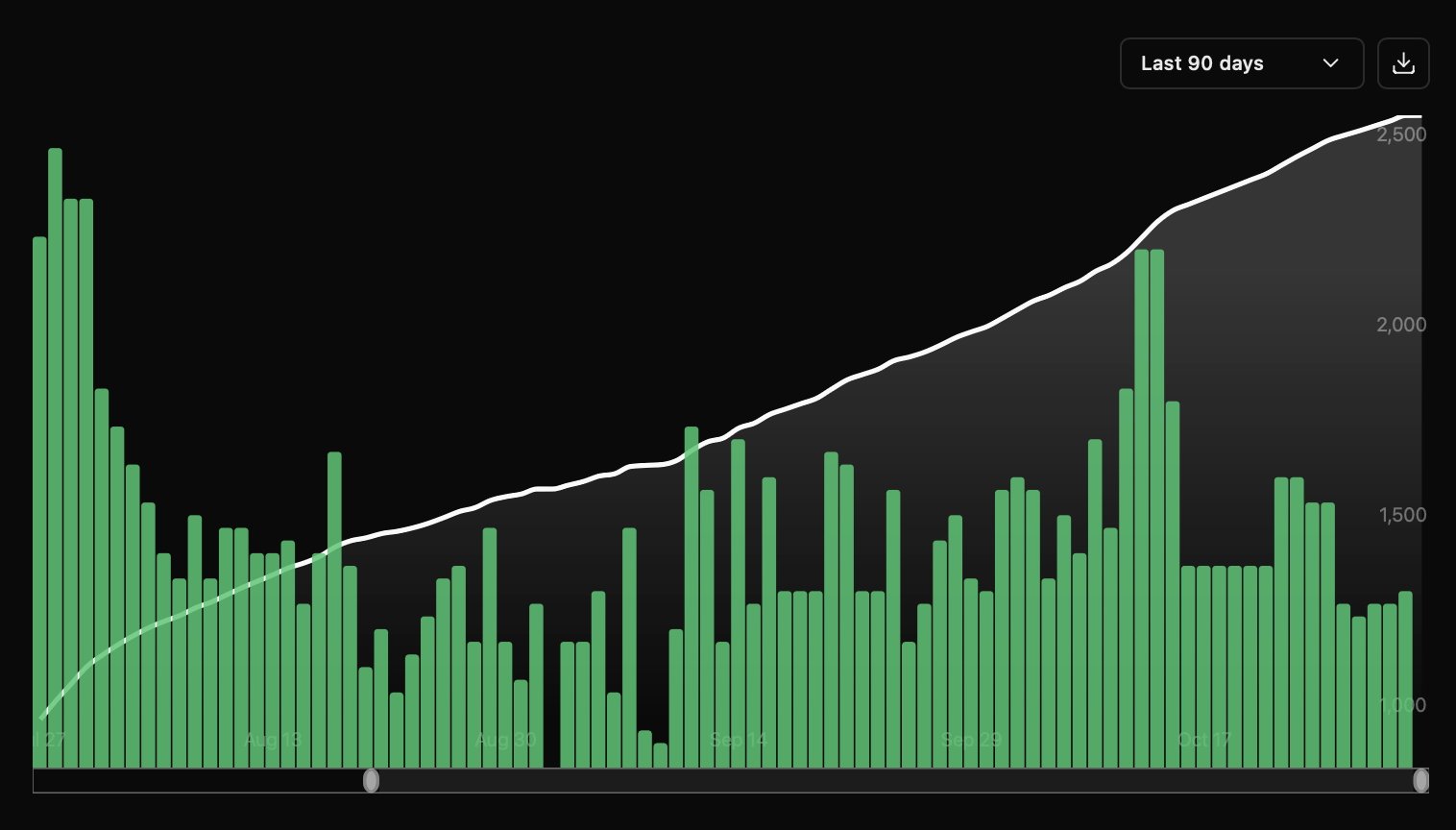
Except for one random day in September, my Pop R&B Party playlist has had steady follower growth over the past three months.
This suggests a curator is either running ads or promoting their playlist through other methods, such as SEO or social media marketing.
2. It’s easy to tell if a Spotify playlist has bots
The only thing worse than landing on a playlist with no listeners is ending up on one full of fake ones. While botted playlists are strictly against Spotify’s rules, they’re unfortunately still quite common and can have serious consequences for artists.
The quickest way to tell if a playlist has artificial followers is utilizing Artist.tool’s free Spotify bot checker. Simply copy and paste the URL of any playlist to spot suspected bot activity.
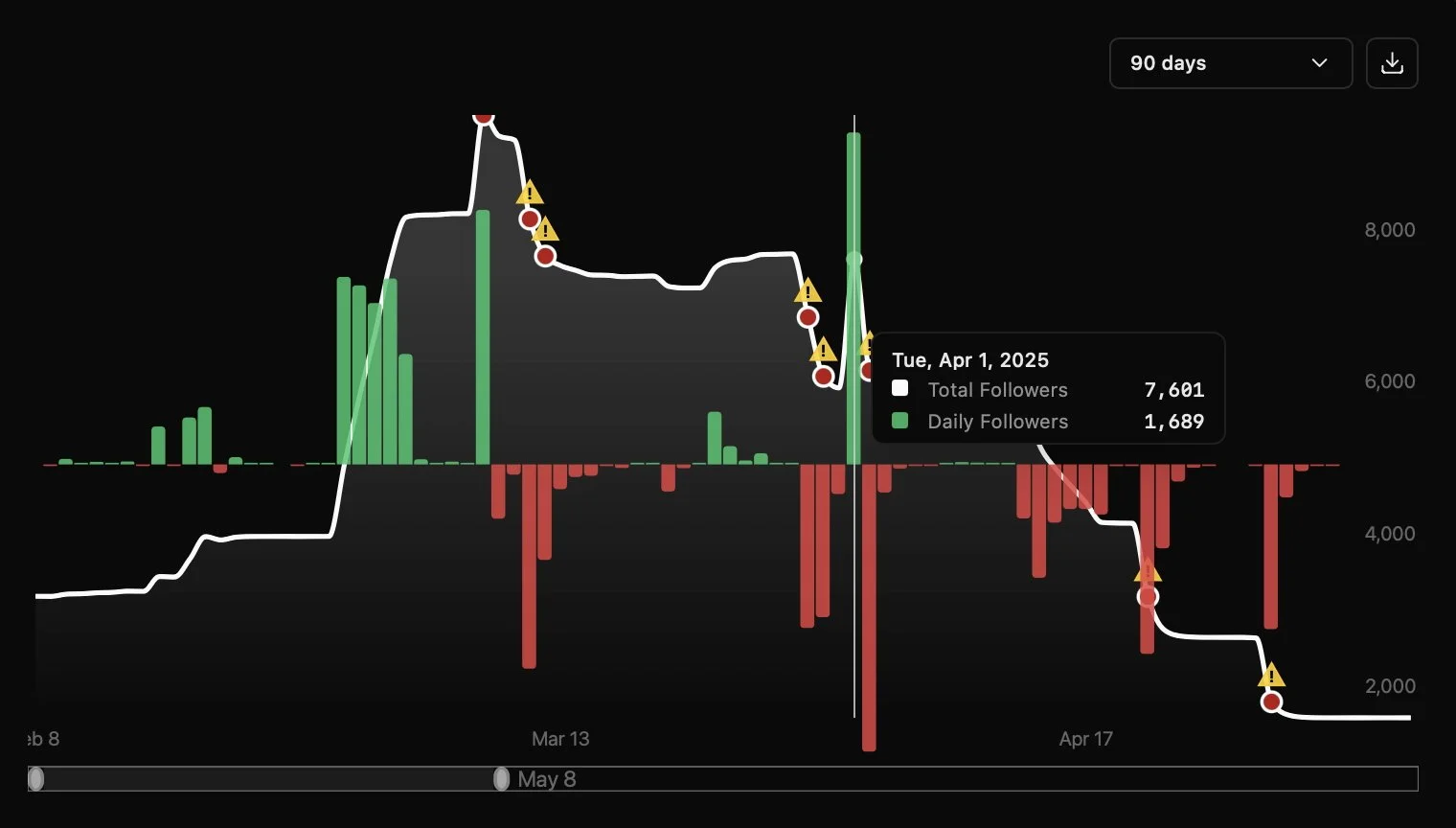
Another major red flag is a growth chart with dramatic spikes or drops. Gaining or losing thousands of followers overnight doesn’t exactly scream organic.
If you suspect you’ve been added to a botted playlist, head over to Spotify for Artists and look for unusual listener activity. If the number of playlist streams and listeners are identical, you’re getting lots of plays but little to no saves, or most of your listeners are coming from the same two or three cities, something’s probably off.
If all else fails, take a look at the tracks on the playlist. Are there a bunch of random artists and genres that don’t really make sense? Not a great sign.
3. We ignore most generic pitches
As an artist and music marketer, I’ve definitely been guilty of spray-and-pray playlist pitching in the past. Now that I’ve leaned more into the playlist curation side with Clarity Playlists, I’ve seen the good, bad, and ugly of playlist pitches from artists.
Most curators can spot a copy-and-paste pitch from a mile away. A little personalization, whether that’s using the curator’s name or the correct playlist title, goes a long way (you’d be surprised how many times I get pitches asking to be added to a playlist I’ve never heard of). Taking the time to build a relationship before making an ask can also be a game-changer.
4. You can get on Spotify playlists for free
Don’t get me wrong, working with a reputable agency or platforms like PlaylistPush is a great option for artists who want to save time and reach a wider network of listeners. But if you’re not quite ready to invest in a playlisting campaign yet, don’t give up on getting your music onto Spotify playlists altogether.
While paying for a guaranteed playlist placement is against Spotify’s rules, many curators now charge a small fee for the time that goes into listening to and reviewing songs. However, some sites, like DailyPlaylists, allow you to submit your music for free. We also accept free submissions for our new Clarity Indie 50 playlist, which exclusively features independent artists and updates seasonally.
5. Playlist promotion can’t make up for bad release strategy
Playlisting definitely has its benefits. It’s cheaper than running ads or a PR campaign, and lower-effort than creating content. But while it’s a great way to supplement other types of marketing, it can’t replace the time and effort needed to build genuine relationships with fans.
At their core, streams and fans from playlists are passive. I’ve seen artists with millions of streams featured on Spotify’s editorial playlists have their shows cancelled because they couldn’t sell enough tickets.
Don’t completely rely on playlists as your foundation. Streams are great, but fans who truly care about your music are what sustain a career. Build a fanbase that’s yours, not borrowed from someone else’s playlist.
Did we miss anything? Should we make a part two? Share your thoughts or questions in the comments or reach out to us on Instagram, Facebook, or LinkedIn.